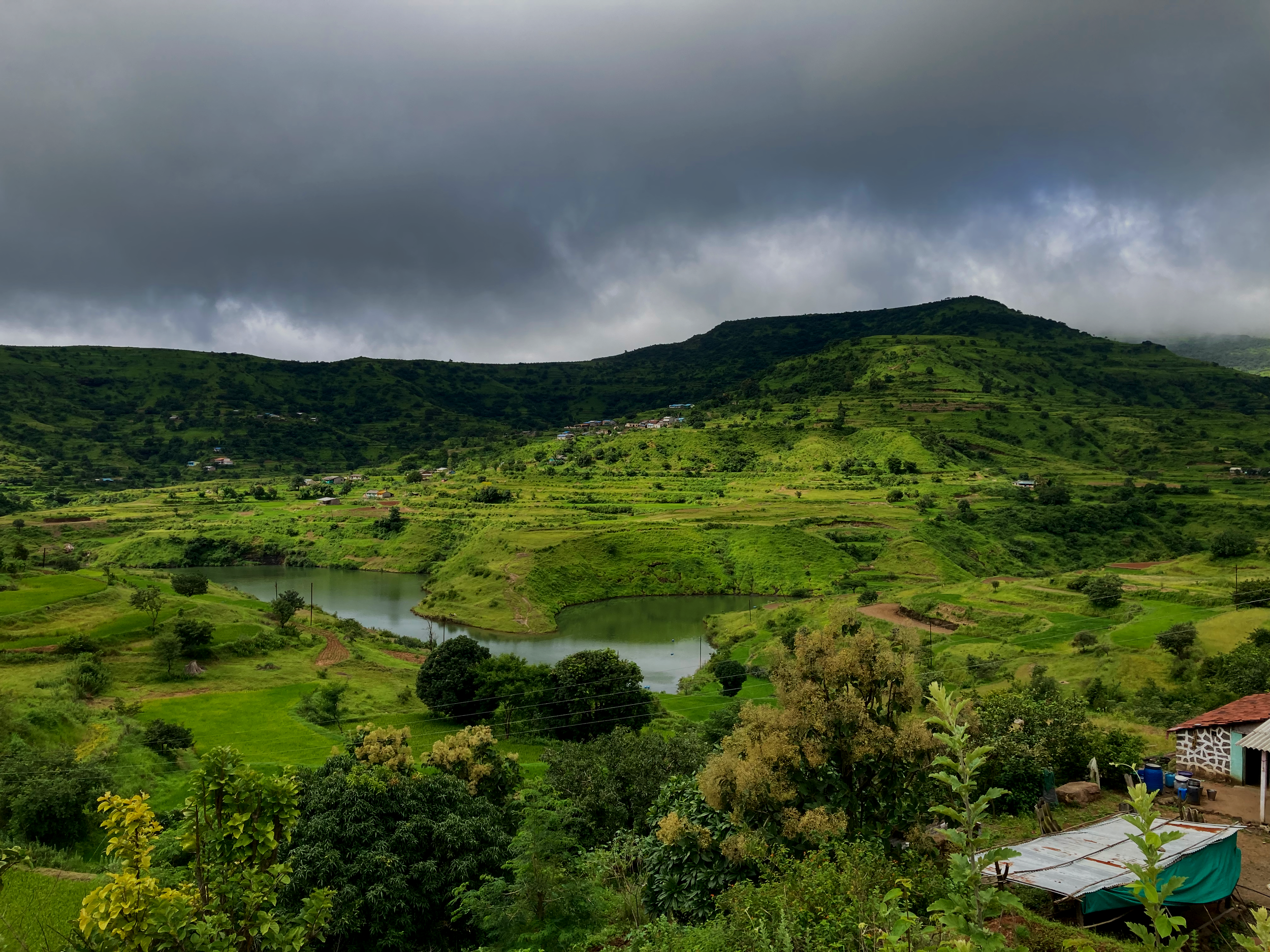
Building scientific systems with communities
We build scientific infrastructure that communities can use, understand, and sustain.
Our Work
Science has transformed how societies understand the world, yet access to scientific infrastructure remains deeply uneven. The challenge is not a lack of data, technology, or expertise. It is that the systems that generate and apply knowledge are often disconnected from the communities that need them most. Scigram builds scientific systems that bring observation, experimentation, and evidence closer to where decisions are made and lived. Our work spans environment, education, and health, united by a single goal: rebuilding the relationship between science and society through scientific infrastructure.
01. Environment
-
![]()
SciFire
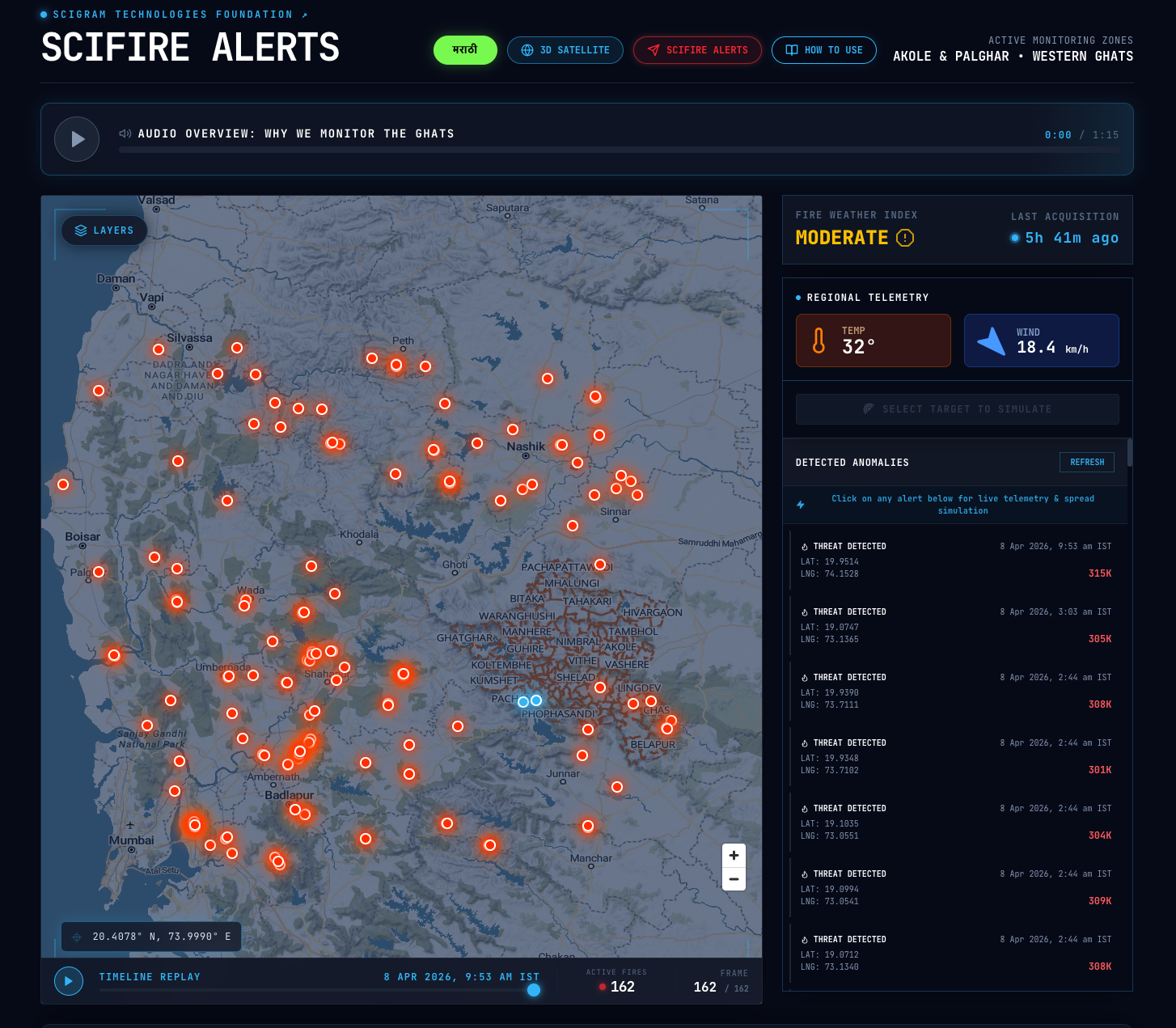
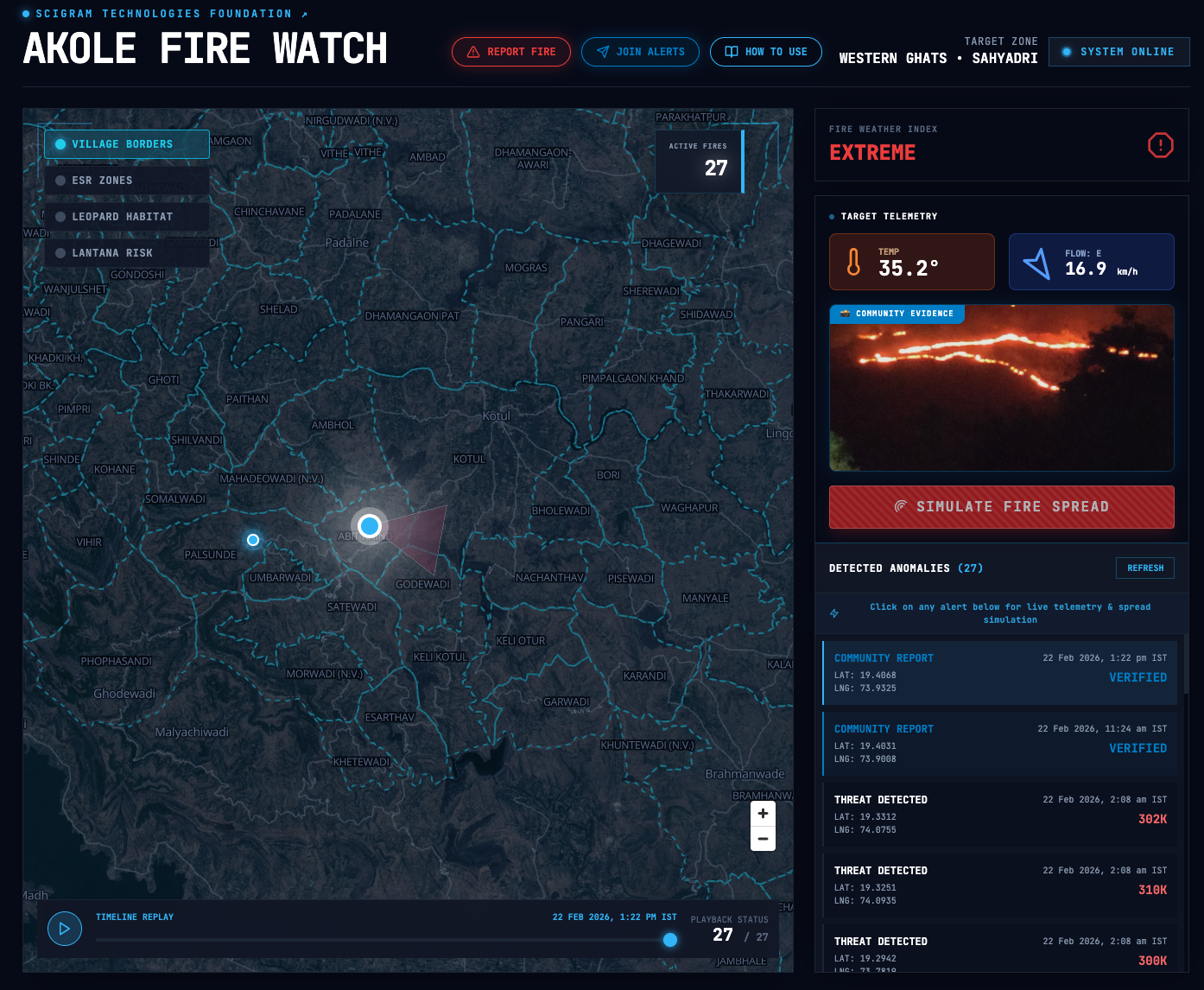
Real-time forest fire monitoring and community alert system for the Western Ghats. SciFire integrates NASA FIRMS satellite hotspot data with citizen-submitted field observations via Telegram, overlays Lantana camara vegetation density as a fire risk amplifier, and runs Rothermel fire spread modelling to estimate danger corridors. Alerts are delivered in Marathi through a three-tier cascade — Telegram, SMS, and IVR voice call — so that communities with low smartphone penetration receive warnings without discrimination. The system is permanently free for all community users. Institutional and research subscriptions support the infrastructure costs.
-
![]()
BONSci
Biodiversity Observation Network Scigram — a structured citizen science programme for indexing flora and fauna across the Western Ghats, anchored at the Palsunde Ashram school as its first node. BONSci trains students and community members in systematic observation protocols and builds a georeferenced, publicly accessible species dataset. The programme is designed to generate biodiversity credits: a verifiable, community-held record of ecological stewardship. These credits are intended to be recognisable by conservation finance instruments over time — creating a pathway for communities to demonstrate and receive value for the biodiversity they protect, without requiring external certification agencies to intermediate that relationship.
-
![]()
AlphaSoil
A long-term community-driven soil health monitoring programme for the Western Ghats, combining citizen field observation with molecular sensing to build longitudinal soil data across ecologically distinct microhabitats. The observatory operates without continuous internet connectivity — data is collected offline in the field and synchronised when connectivity is available. The long-term scientific vision is a soil foundation model for the Western Ghats: a computational layer that connects molecular soil signatures to ecosystem health, agricultural outcomes, and climate resilience. This is among the most technically ambitious programmes Scigram is building, and it is also among the most consequential for the farming and forest communities who depend on understanding what is happening beneath the surface.

02. Education
-
![]()
Metaknowledger
A node-based science learning platform in which every concept is a pure function and every connection between concepts is function composition. Lean 4 formal verification checks the mathematical and physical consistency of the knowledge graph automatically — so that a student following any learning path encounters only internally consistent science, and so that errors introduced through curriculum drift or translation are caught at the structural level rather than discovered by confused students. Metaknowledger is Scigram's long-horizon answer to what rigorous, self-directed science education looks like when built from first principles rather than adapted from existing curriculum structures. It is also the platform that will eventually host Scigram's own research outputs in a form that students and community members can navigate without requiring a scientific background to enter.
-
![]()
SchoolØS
An offline-first, voice-primary operating layer for government and tribal schools in Maharashtra, designed to address the single most damaging drain on teaching time in under-resourced schools: administrative reporting. SchoolOS works without reliable internet connectivity, uses a Marathi-language voice interface as the primary interaction mode for teachers with low digital literacy, runs AI inference entirely on-device so that no student data leaves the school premises, and automatically generates the administrative reports — UDISE+, POSHAN, health monitoring summaries — that teachers currently fill manually. The architecture is compliant with the Digital Personal Data Protection Act 2023 by structural design, not by policy. No student data is centralised without explicit school-level authorisation. SchoolOS is Scigram's direct response to what the teachers in Palsunde and other partner schools told us was their most urgent need.
-
![]()
SciCraft
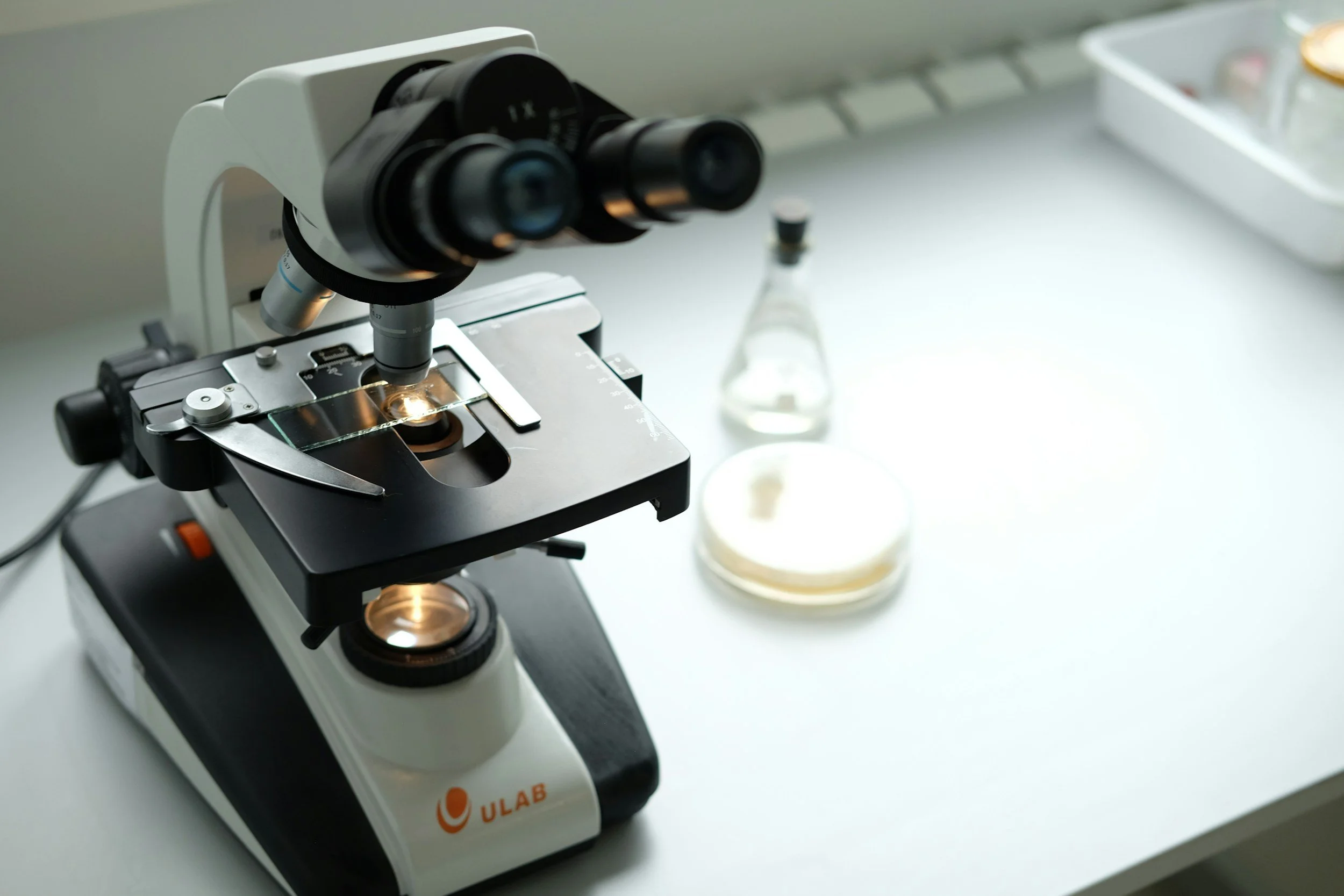
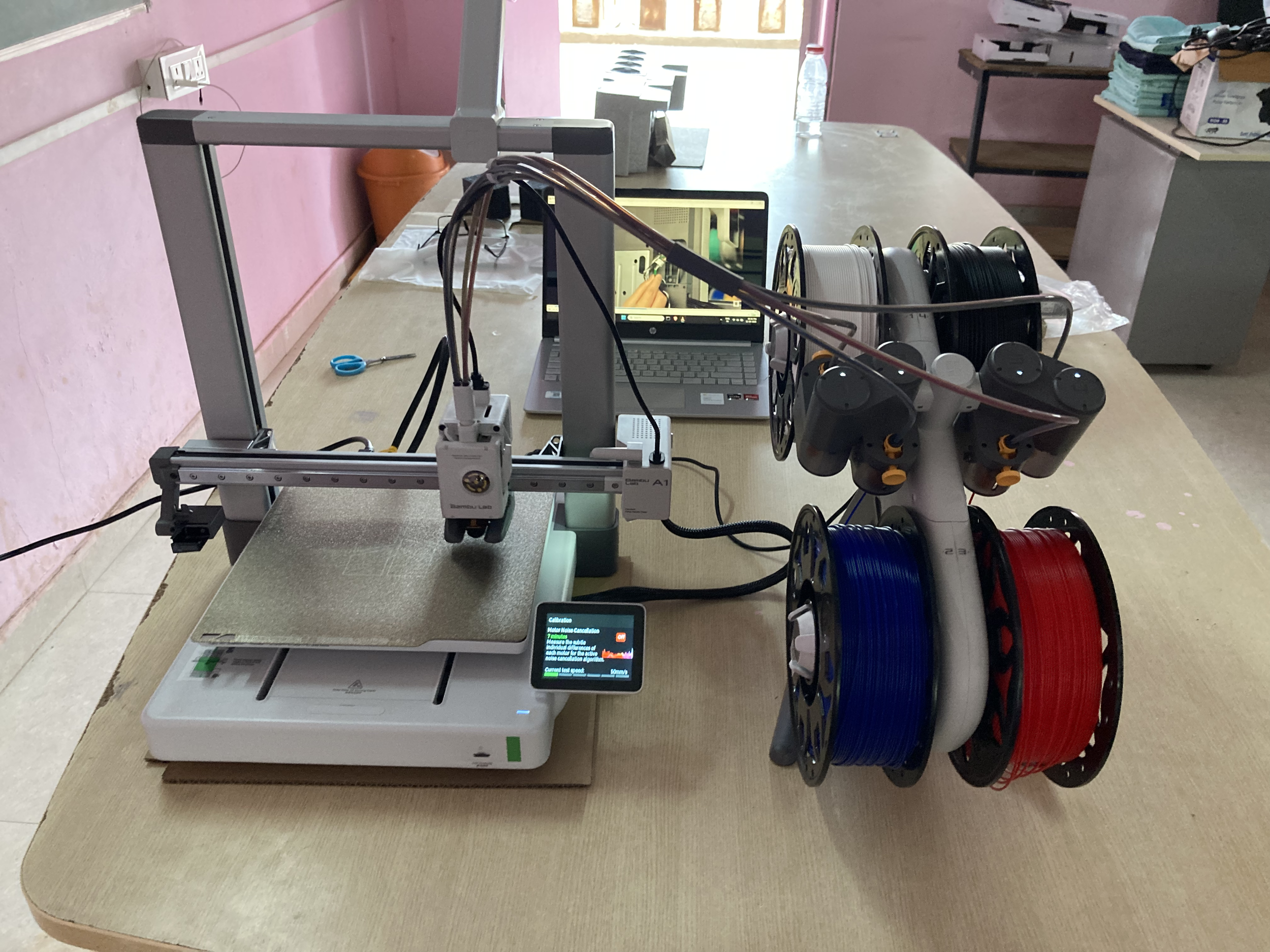
A long-term science education and experimental agriculture programme at tribal Ashram schools in Maharashtra, currently active at Palsunde. The programme runs a formal four-treatment vermicomposting study with students as the research team — they design the experiment, collect and analyse soil health data, and interpret results using the same methods Scigram uses in its Western Ghats research. Students also participate in seasonal biodiversity observation through BONSci, undergo anthropometric health monitoring, and work with sensor-based instruments built in-house at Scigram using 3D printing and Raspberry Pi hardware. The programme is explicitly designed so that its scientific outputs — soil health data, biodiversity observations, student health records — are the same data that Scigram uses in its research programmes, making Ashram school students genuine co-contributors to Scigram's science.
03. Health
-
![]()
HemoLens
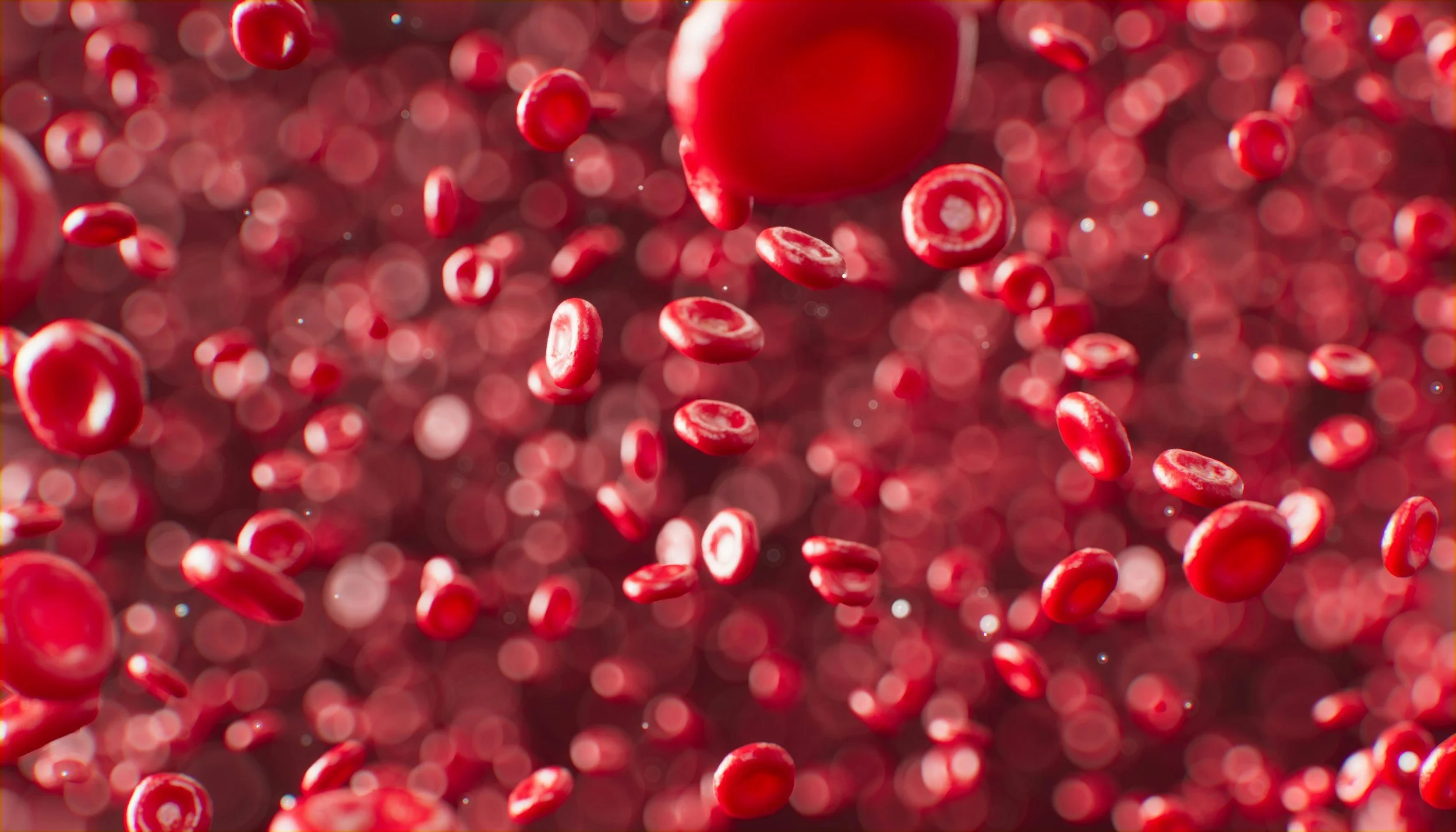
We are deploying an AI-driven, non-invasive anemia screening tool for pediatric populations in remote tribal ashram schools. By leveraging smartphone-captured retinal imaging processed through our offline-first VillageOS architecture, this initiative provides painless diagnostics without the need for traditional blood draws, ensuring both health equity and strict data sovereignty for vulnerable communities. Traditional blood-based testing often faces logistical bottlenecks and community resistance in these areas, leaving severe childhood anemia undetected. Because our formally verified system processes data entirely at the edge without requiring internet access, grassroots workers can instantly identify at-risk children on-site. This immediate feedback loop empowers communities to initiate timely nutritional interventions, creating a scalable, secure blueprint for equitable last-mile healthcare.
-
![]()
Metabocast
India's standard growth and metabolic benchmarks are calibrated on populations that bear little resemblance to the tribal children Scigram works with, applying them directly produces misleading results. Our nutrition programme corrects for this by making health computable. Rather than a single annual checkup, Ashram school students take ownership of their biology by frequently recording their own anthropometrics and learning the analysis. This data feeds an engine calculating basal metabolic rates using Indian-corrected Schofield and revised Harris-Benedict equations. To close the energy balance equation, we use machine learning to estimate nutritional intake from daily meal photos. Built on a private, federated edge architecture, these insights return directly to the community to balance dietary needs, shaping daily meal plans and upcoming agricultural cycles.
-
![]()
Tobacco Face
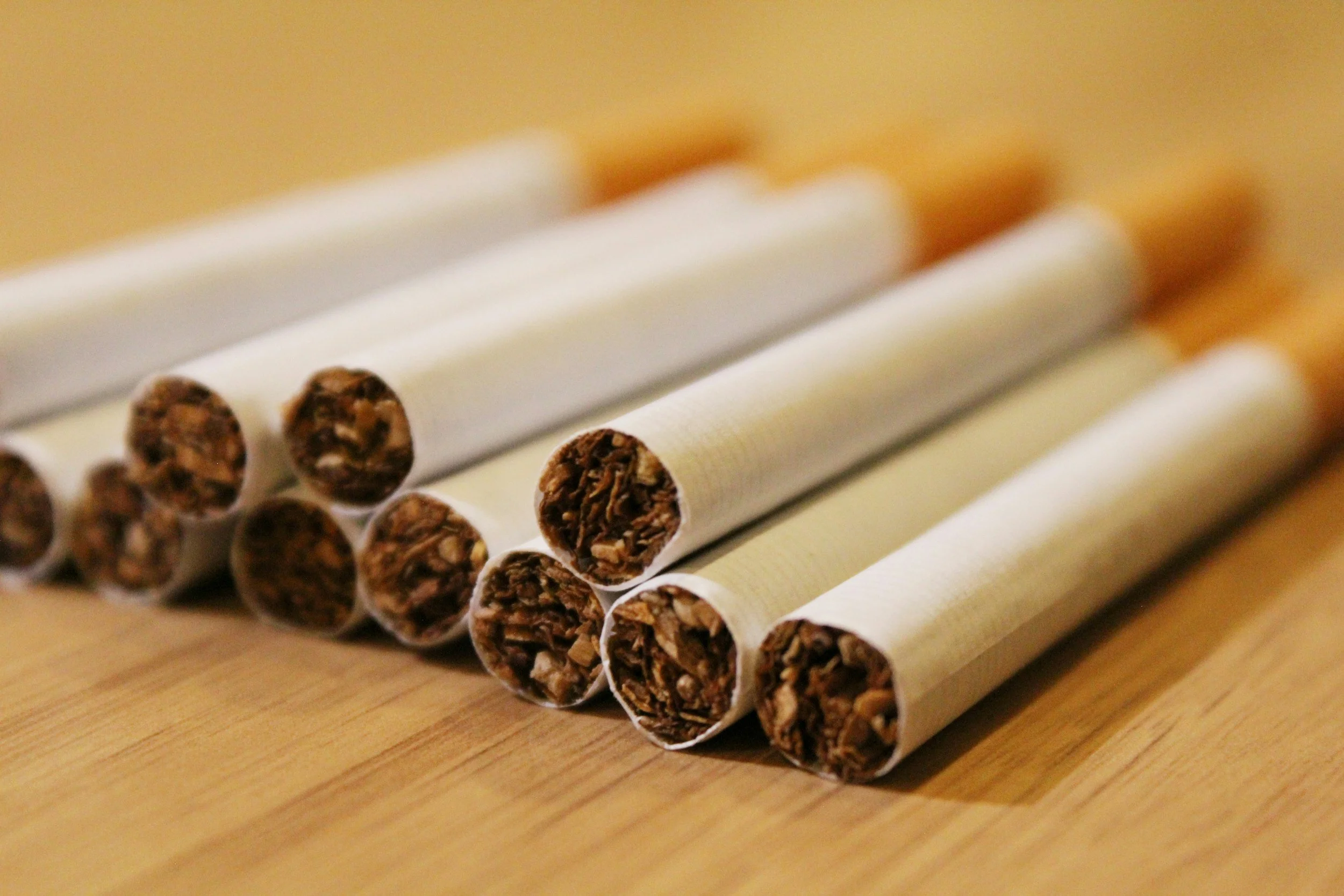
A health communication programme developed with SEARCH NGO for deployment in tribal schools and community health outreach in Gadchiroli district. Tobacco Face uses medically grounded AI-generated imagery to show individuals the concrete biological outcomes of tobacco use across four conditions: accelerated skin ageing, oral submucous fibrosis (OSMF), oral cancer, and post-surgical disfigurement. The approach is rooted in evidence that visual, personalised consequence communication is more effective than generic warning messaging for school-age populations, particularly in communities where tobacco use is culturally embedded and where health literacy does not yet extend to the written language of standard warning labels. The programme was developed through a structured proof-of-concept with SEARCH's medical leadership and is currently in preparation for broader school deployment across Gadchiroli.

Our Core Foundation
Science you can trust. Systems that last.
Scigram builds on a modern functional stack and formal methods to create systems that are correct, reproducible, and maintainable. We combine the power of functional programming, formal verification, and high-performance computation.
Haskell
Pure functional programming for reliable, concurrent, and modular systems.
& Services
Lean
Theorem prover for formal verification of critical algorithms and system properties.
& Proofs
PureScript
Type-safe frontend development that compiles to efficient JavaScript.
Interface
Nix
Declarative builds and reproducible environments for dependable infrastructure.
& Infra
JAX
High-performance numerical computing and machine learning with composable transformations.
& ML
Correct by Design
Formal methods help us prove properties that matter.
Reproducible
Nix ensures the same environment builds everywhere.
High Performance
JAX accelerates research and real-world computation.
Built to Last
Functional codebases are modular, testable, and resilient.
A year of building scientific systems with communities.
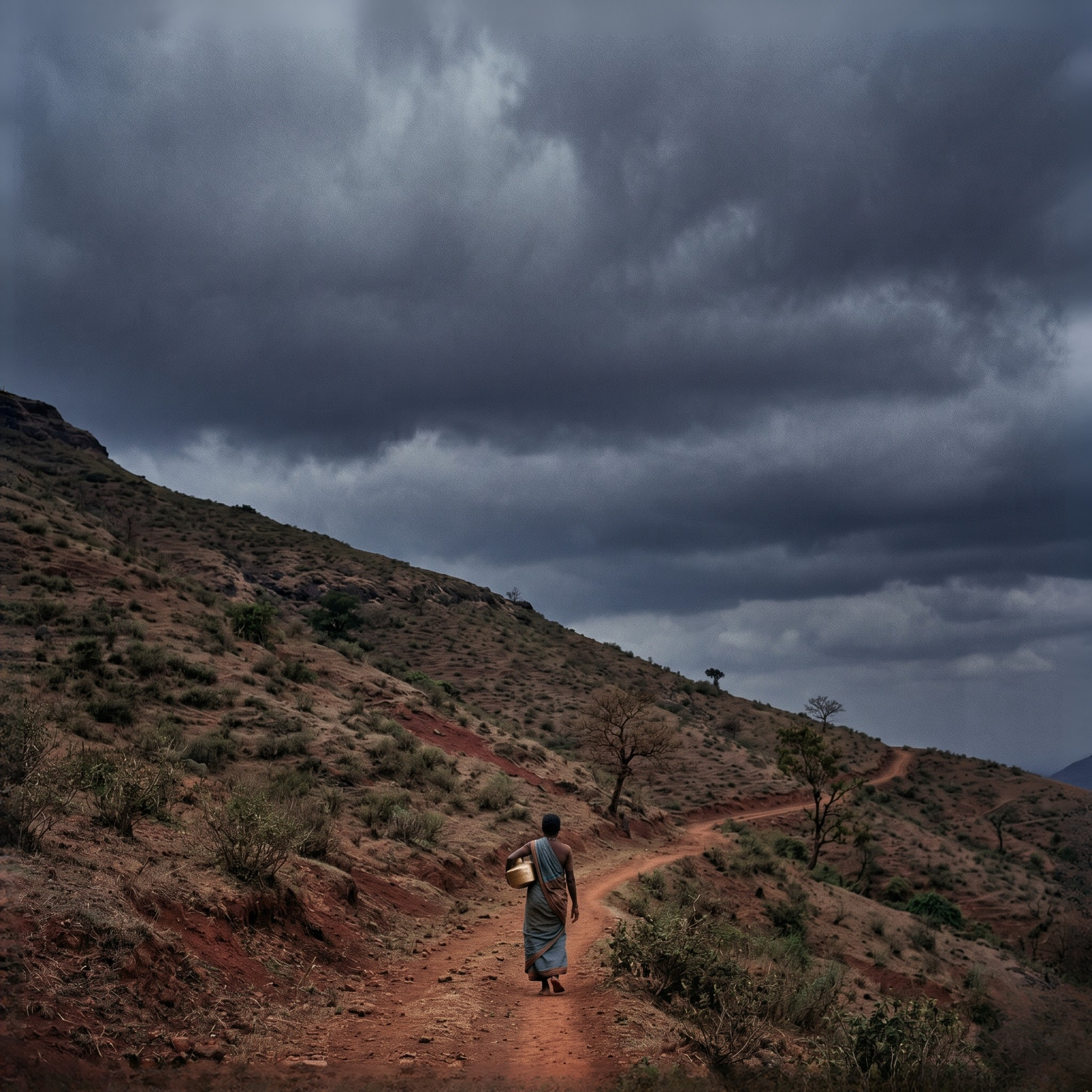
In 2025, we continued building scientific infrastructure across the Western Ghats — through field observations, rigorous research, and community partnership.


Build Scientific Infrastructure that Lasts
Scientific infrastructure is one of society's longest-term investments. It enables observation, experimentation, and discovery that continue to benefit communities for generations. Scigram is building open systems for environmental monitoring, scientific learning, and community health. If you believe this work should exist, we invite you to help build it with us..
Open by design
All our data, tools, and knowledge are open whenever possible.
Community owned
Systems are built with communities, ensuring they own, use, and shape them.
Rigorous and trustworthy
We use formal methods and reproducible systems so communities can rely on them.
Built to last
We invest in long-term infrastructure that remains useful long after projects end.
Environment
Monitoring ecosystems, predicting risks, and building climate resilient landscapes.
Education
Scientific learning infrastructure for schools and lifelong learners.
Health
Community health intelligence for early insights and better outcomes.
Open Tools
Open source tools that communities can use, adapt, and build upon.
Data Commons
High quality, open datasets for research, policy, and local decision making.
Your support helps build scientific infrastructure that communities can own, use, and build upon. Together, we can create systems that strengthen local knowledge and enable better futures.
Support ScigramAll contributions are transparently used to build open, community-owned systems.